Biography
Sander Kleinenberg has never been particularly good at standing still.
For more than three decades, the Dutch DJ and producer has followed one fairly simple instinct: play the records that excite him. Preferably before someone decides what genre they belong to.
That instinct has taken him from small, dark rooms to some very large ones, through progressive house, techno, disco, psychedelia, electronic pop and a fair amount of music that was probably a bad idea on paper. The common thread was never a genre. It was curiosity.
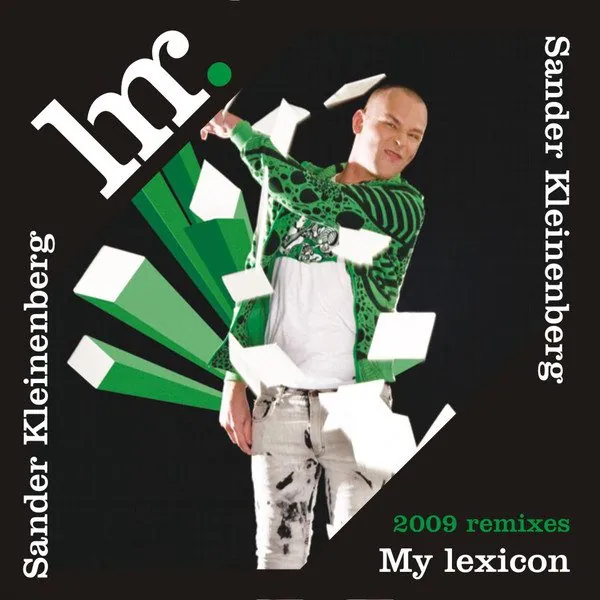
Emerging from the Netherlands in the 1990s, Sander became part of a generation of DJs who somehow found themselves taking underground electronic music around the world. Records like My Lexicon , The Fruit , This Is Miami and Can You Feel It became markers along the way, while his DJ sets built a reputation for joining dots between records that didn’t always appear to have much business being in the same room.
It took him around the planet more times than he can reasonably remember, from sweaty basements to Coachella, Glastonbury and Ultra, and through a long list of clubs, afterparties, airports and questionable hotel breakfasts.
The studio has been equally difficult to keep in one lane. Over the years Sander has produced, remixed and collaborated with Madonna, Daft Punk, Janet Jackson, Justin Timberlake, Halsey, LANY, Eurythmics, Jamie Cullum, Audio Bullys, Gwen McCrae and James Vincent McMorrow — which probably says more about his musical attention span than any genre description ever could.
And, inconveniently, he’s still curious.
A new generation of artists and a more adventurous corner of electronic music have pulled him back towards the reason he started doing this in the first place: finding strange, beautiful records and figuring out what happens when you play them very loud in the right order.
The sets are getting deeper again. The edges are getting stranger. New music is being made, new collaborations are taking shape, old friends are resurfacing and younger artists are introducing him to records he wishes he’d found first.
This isn’t about recreating a particular period of Sander Kleinenberg. That would be far too easy. It’s about continuing what was there from the beginning.